
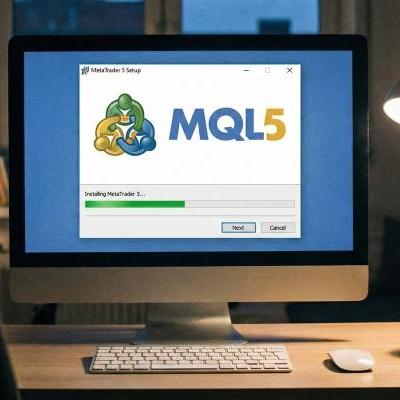
A MetaTrader 5 demo account allows traders to get to know the platform's features without any financial risk. These virtual trading accounts provide access to real-time market data and all MT5 platform features, while trading with virtual capital. Risk-free trading on a MetaTrader 5 account enables traders to develop and test trading strategies before using real capital.
Educational articles
Trading
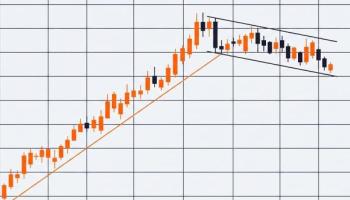
In the world of technical indicators and patterns, finding a reliable, workable tool that would help you predict price direction is challenging. Flag patterns are one of the key short-term continuation patterns you should be equipped with.
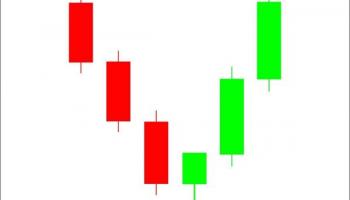
There are a wide range of technical indicators, chart and candlestick patterns that provide signals for new and experienced traders. Today, we'll focus on a reversal candlestick pattern: the hammer. It's one of the easiest and most reliable candles that shows that a bearish trend is about to end and a bullish one is ready to begin. Let's see what the pattern looks like on the chart and learn how to read its signals.

The awesome oscillator is a market momentum indicator that is used to identify price reversals and corrections. It's one of the easiest but most effective trading tools that provide a wide range of signals.

Building your financial portfolio is like looking at a restaurant menu. You'll be offered and presented with different choices. Every item on the menu may look appetising, but everything will suit your preferences.

What is a trader? A trader is one of the most used words in the financial vocabulary. It seems straightforward: if you trade an asset, you can be called a trader. Still, not everyone who has ever tried market trading can be called a trader. The term has many hidden aspects. Let's figure them out.
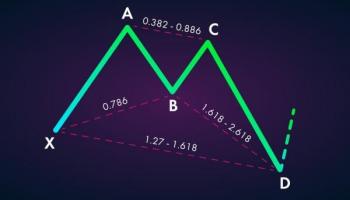
The butterfly pattern… It sounds nice, doesn't it? However, the reality is that it hides many difficulties for traders, especially those just starting out. It's not a common trading tool that appears on charts daily. To find the butterfly pattern, you need to practice a lot and put in some effort.

When you enter financial markets, you learn a lot about their structure, explore new strategies, and try out different assets, but you often don't focus on one critical aspect: the broker. Everyone knows that a reliable broker is an essential part of your trading journey, but hardly anyone has a comprehensive understanding of this term.

Traders face various challenges, including high volatility, unexpected events, wrong signals, risky assets and more. Another one is the bull trap.
An order is a set of instructions to a broker or a brokerage firm to buy or sell an asset on behalf of an investor. In the financial market, orders are considered fundamental trading units, allowing investors to capitalise on their gains by placing well-informed and intelligent orders.

There's a wide range of instruments to determine the market's direction. Chart patterns are the tools that help investors identify the price direction. In this article, we'll discuss a bear flag chart pattern.